


{{serverconnectlatestnews.data.showlatestnews.data[0].news_title}}
{{serverconnectlatestnews.data.showlatestnews.data[0].news_date.formatDate("d MMM yyyy")}}
{{serverconnectlatestnews.data.showlatestnews.data[0].news_teaser}}

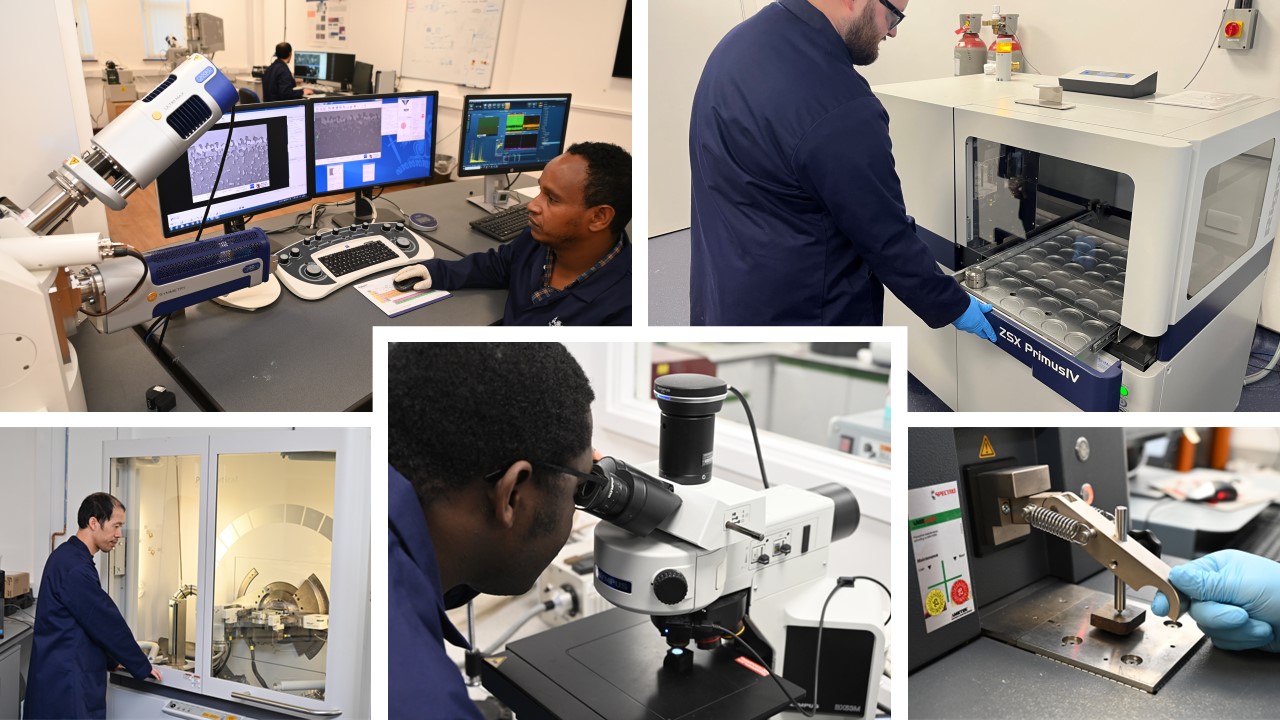
This client was experiencing problems due to steel heat exchanger tubes in their boiler failing. This was having significant affect on productivity and resulting in unplanned downtime.
The initial visual inspection of the failed tube showed that it was heavily corroded. The subsequent investigation was carried out in two parts:
Analysis did not show any issues with the quality of the steel.
https://www.mpiuk.com/research-development advanced-materials-characterisation-centre.htm
Enquire about services, facilities, and expertise.
Materials Processing Institute is registered in England with registered No. 08919614
Registered Office: Materials Processing Institute, Eston Road, Middlesbrough TS6 6US
© Copyright Materials Processing Institute
Terms & Conditions / Terms & Conditions of Metal Sales / Website Terms & Conditions / Privacy Policy / Cookies Policy / Data Protection Notice / Site Map
Website by VIA Creative